
How Bonchon Drove Supply Chain Excellence Across a Low-Density National Restaurant Footprint
Bonchon operates approximately 500 restaurants across nine countries, with more than 150 restaurants in the United States. Here is how the Bonchon’s U.S. team used Sightline OS to lift system-wide fill rate 1.1% to 99.3%, reducing unfulfilled orders by 60%.
The result
Bonchon’s system-wide weighted average distributor fill rate rose 1.1% to reach 99.3% after replacing a legacy supply chain platform with Sightline OS. The rate at which items restaurants ordered were not being fulfilled by their distributor fell by nearly 60%.
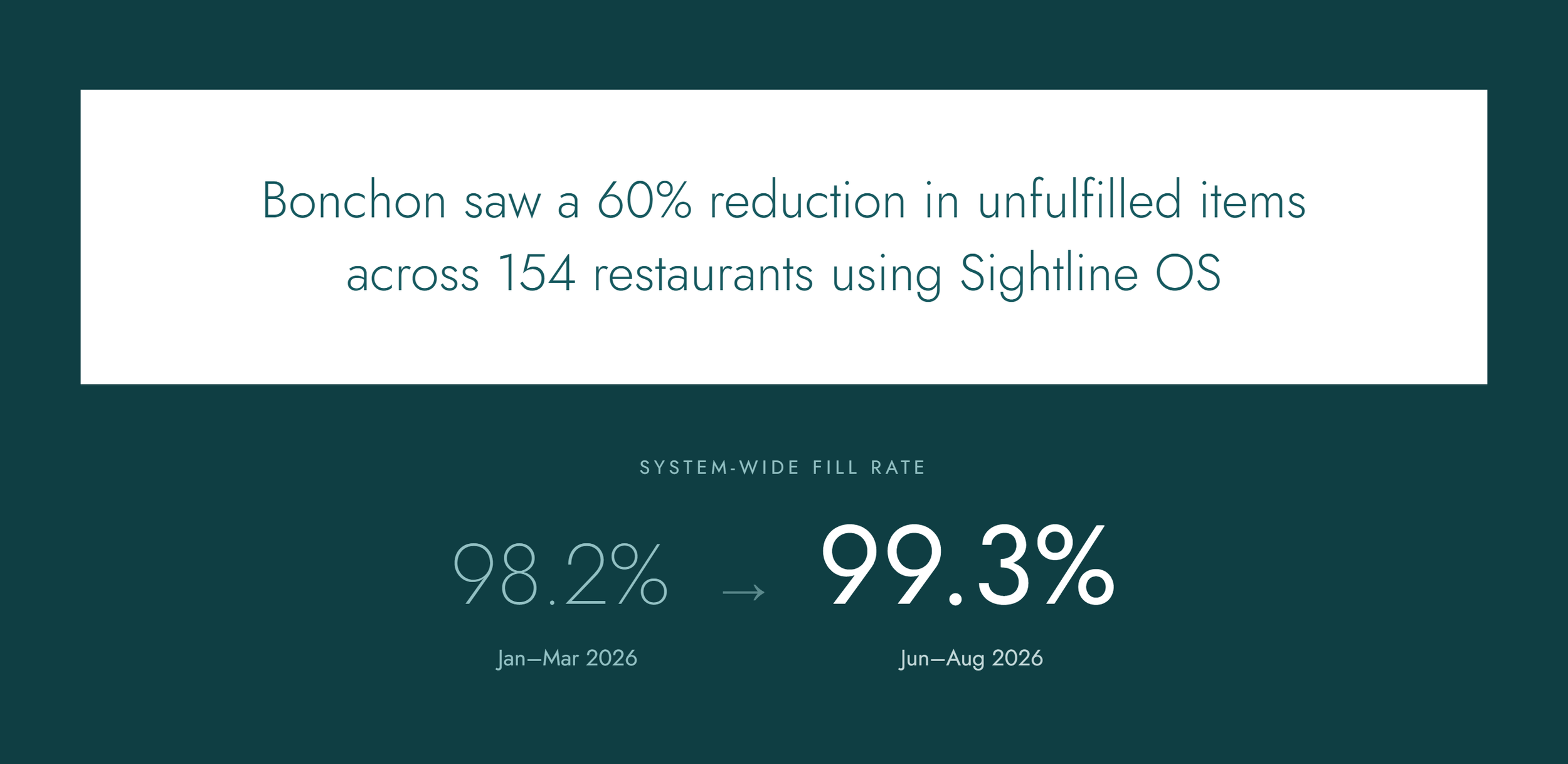
This sustained improvement across Bonchon’s store footprint is unusually hard to achieve: Bonchon has 154 restaurants spread across 35 distributor operating companies, which means there is an average of less than five restaurants serviced by each distribution center.
“Sightline OS has transformed how we manage our supply chain. With greater visibility across our distribution network and stronger forecasting capabilities, our team can identify potential inventory challenges earlier, collaborate more effectively with our partners, and improve supply reliability for our franchisees. That translates to fewer disruptions and a better experience for both operators and guests.”
With supply chain planning and management integrated into a single AI-native platform, Bonchon drove supply chain performance while saving team time.
The problem
Bonchon’s menu depends on proprietary items: the proprietary sauces, the specific cut and batter of the chicken, the Korean specialty items. The success of their franchisees in meeting their guests’ expectations depends on the reliability of these proprietary products.
That exposure is multiplied by how the inefficiency of how the network is spread out nationally. With less than 5 restaurants serviced by the average distribution center, the aggregate volumes are small, less predictable, and easy to stock out. A franchisee in a single-DC market doesn’t experience the network average. They experience their distribution center.
Even with a well-established supply chain platform in place, the amount of manual work and firefighting required to monitor and prevent issues for all of it’s ingredient and packaging items across 35 distribution centers left the team over-extended, requiring nights and weekends and leaving little time for more strategic projects.
The impact of good vs excellent supply continuity on guest experience and restaurant level margin is hard to overestimate. A lost sale due to an 86’ed menu item is a loss in incremental profit that drops straight to the restaurant’s bottom line. The long-term impact on brand perception, trust, and guest frequency is even more important. Supply chain excellence is rooted in consistent and flawless execution.
What changed
Once Sightline OS was in place, the business workflow changed completely. The Sightline platform automatically identifies and prevents supply continuity issues, going beyond surfacing raw inventory data, shifting the type of conversations that took place.
“With Sightline OS, we’ve set up a proactive process with our distributor where they review all of the future risks that Sightline identifies in the supply chain, use Sightline’s analysis, and we align on preventative distributor or supplier action to take.”
Sightline OS starts with insights and actions, and delivers them early enough to prevent expensive and time-consuming emergency recoveries and fire-fighting.
“We have been able to allocate less time to managing distribution and supplier execution, while partnering with our vendors to drive stronger performance. It’s enabled us to support strategic projects like LTO menu innovation without adding more headcount to the team.”
The network became more consistent across locations, with performance converging on a higher average
A network average can hide a wide range. Bonchon’s did.
The weakest-performing distribution centers in Bonchon’s network were small markets, each handling a fraction of the volume that flows through the largest. When a distribution center serving a handful of restaurants underperforms, a single franchisee absorbs all of it, and it can permanently damage the franchisee’s trust and relationship with the distributor. Those smaller markets are the ones that improved most.
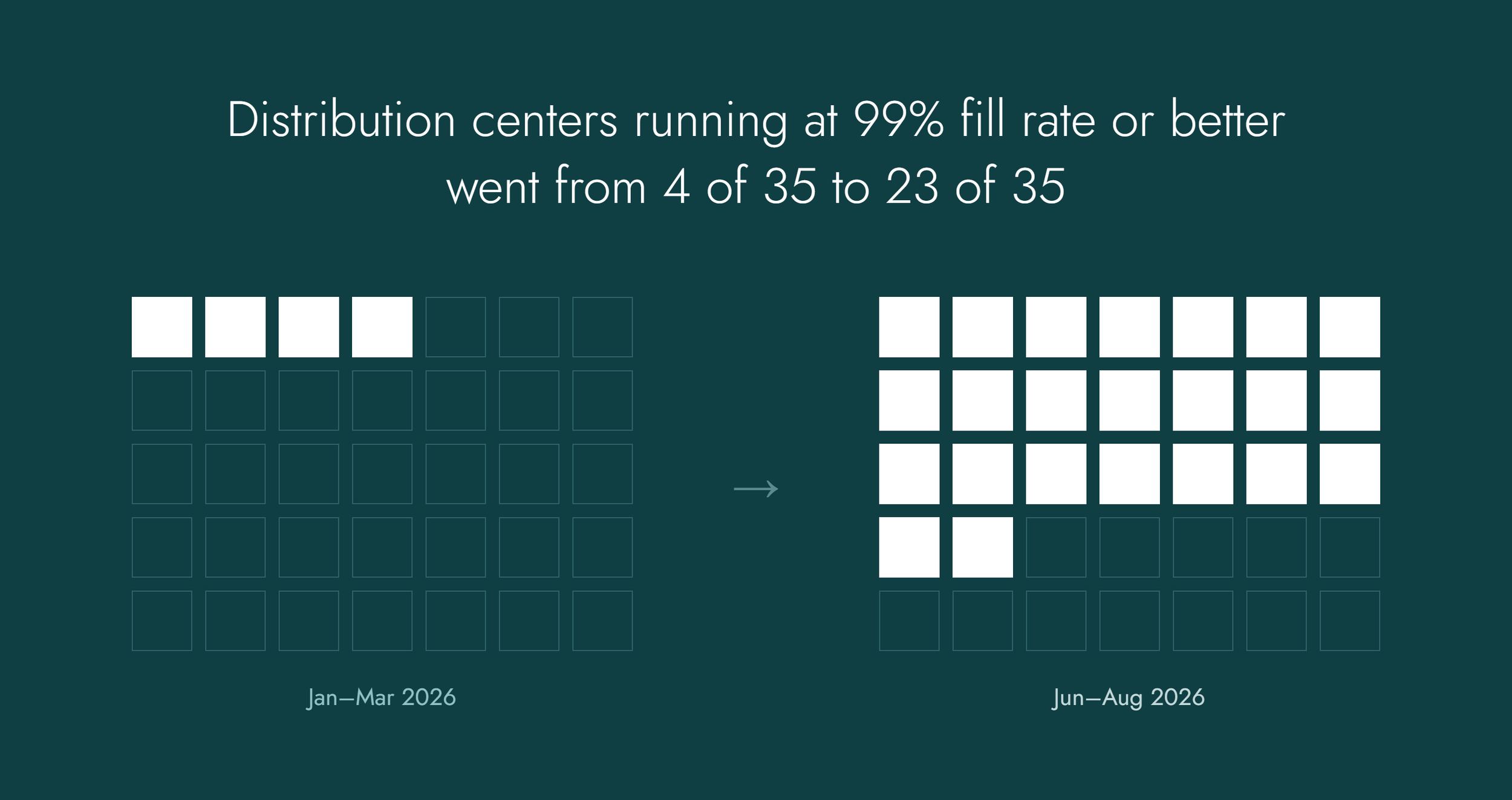
Bonchon’s previous baseline had only 4 of 35 distributors reaching above 99% average fill rate over a 90-day period. Today, the majority of them do, with 23 of 35 distributors achieving a 99% or higher fill rate.
While fill rate improved, substitutions also nearly disappeared
When a distributor does not have the approved product available, they will send an approved substitution if one exists. The proactive prevention of outages for Bonchon’s restaurants also resulted in a dramatic decrease in the frequency at which orders were being filled with substitutions.
In the first quarter of 2026, 2,865 cases arrived as substitutions. Between July 1 and September 3, that figure was 8.
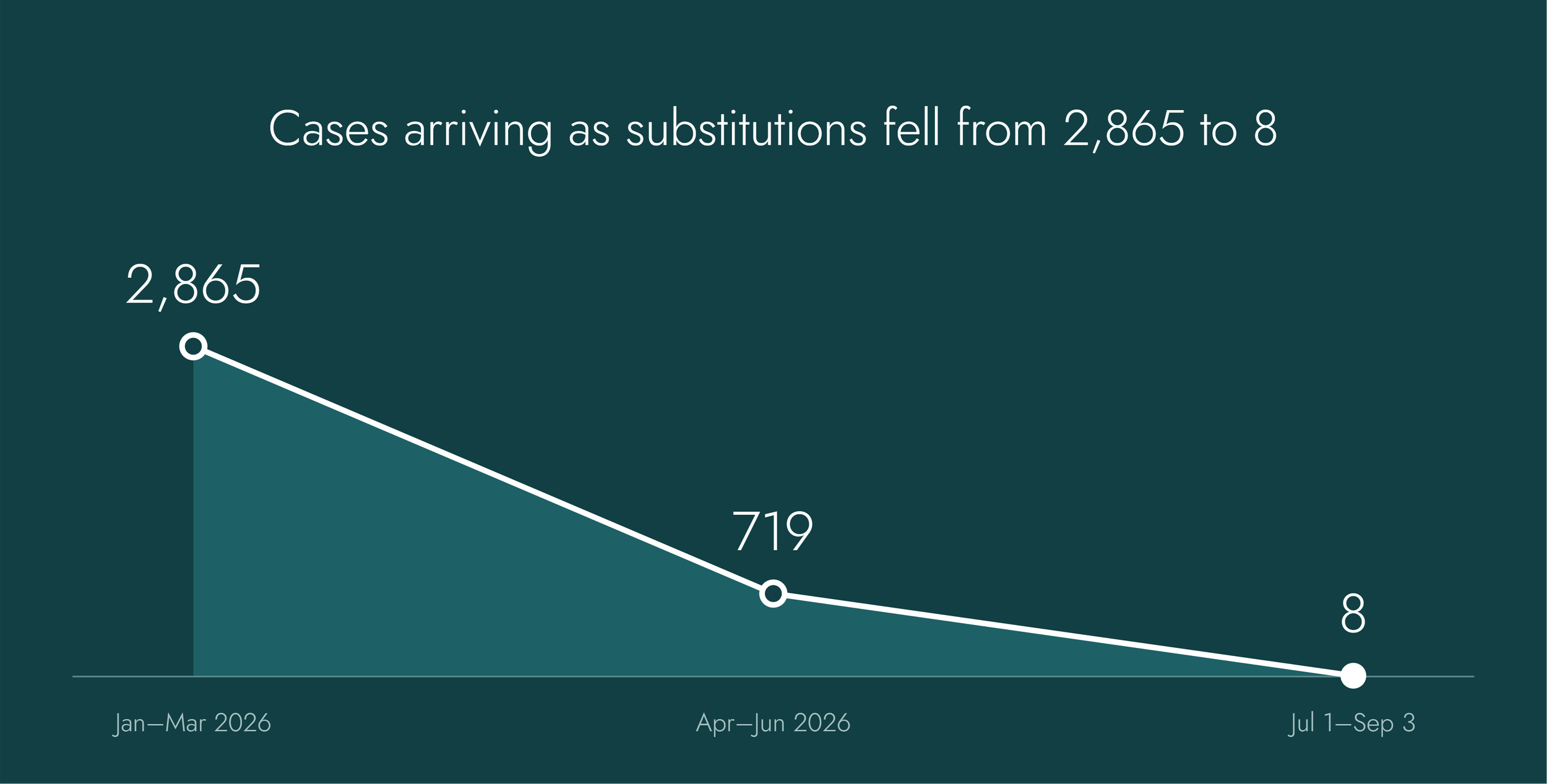
The decline is visible month by month, and it has a turning point. Substituted cases ran above a thousand a month in January and February, fell through the spring, and collapsed in June.
The bigger win is that fill rate improved while substitutions nearly disappeared. Those two usually trade against each other.
Where Bonchon is now
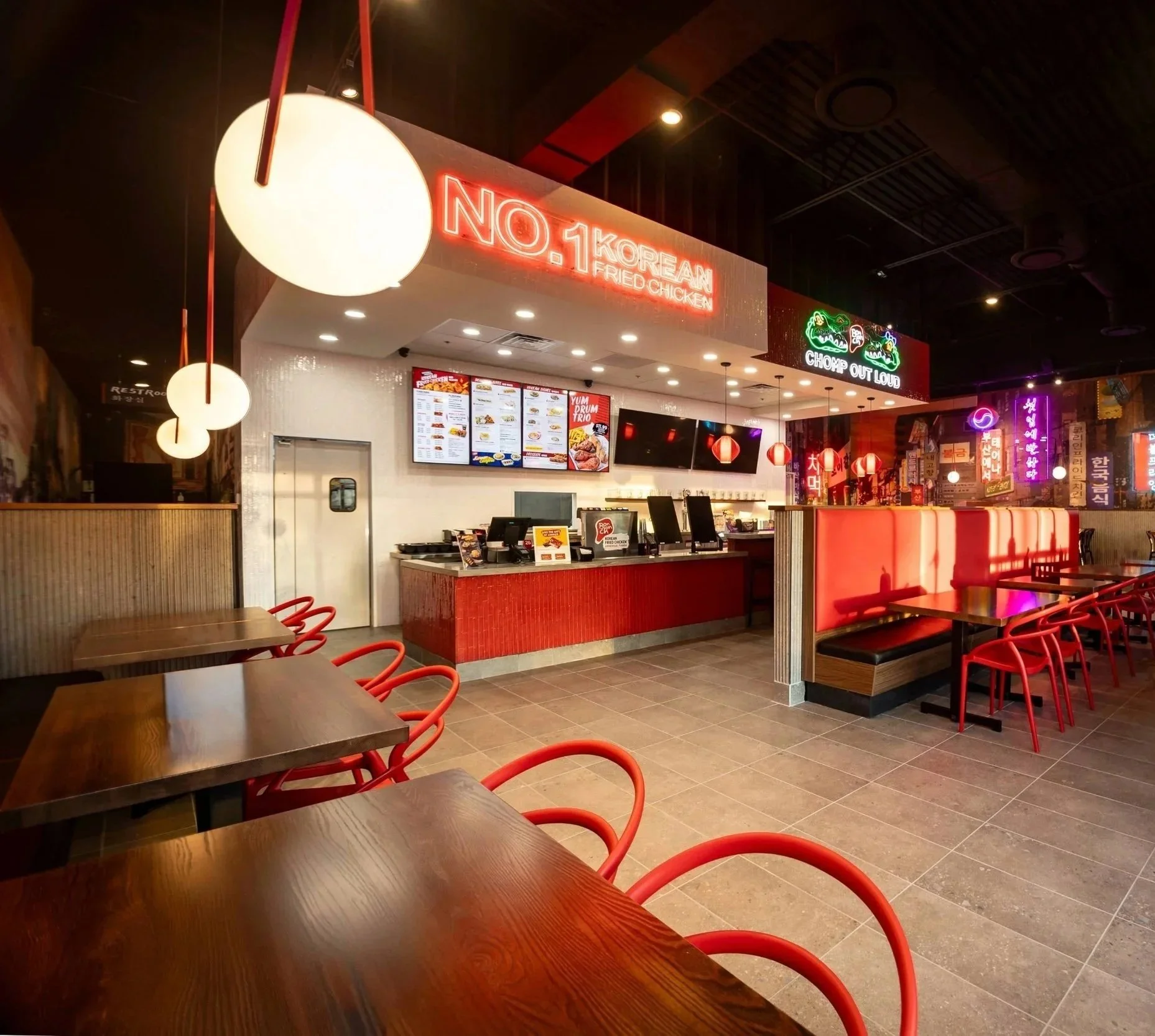
Bonchon has strengthened its existing distributor partnership and fully integrated Sightline OS into distribution and logistics management. The team has held system-wide weighted average distributor fill rate at 99.3% across 154 restaurants and 35 distribution locations. They see room to keep improving as they grow and scale and adopt AI, including leveraging Sightline OS’s Continuity AI module for further automation.
About Bonchon
Bonchon operates approximately 500 restaurants across nine countries, with more than 150 restaurants in the United States. Known for its hand-battered, double-fried Korean fried chicken, the brand continues to grow in popularity and has earned several accolades including Fast Casual Magazine’s 2026 Top 100 Movers & Shakers, Entrepreneur’s Franchise 500, Franchise Times’ Top 400 and Technomic’s Top 500 chain restaurants.
About Sightline OS
Sightline OS is a supply chain platform purpose-built for restaurant chains, with AI-powered forecasting, inventory optimization, and COGS management designed for the pace and complexity of modern foodservice operations.
