Take the Guesswork Out of Restaurant Demand Forecasting
Sightline OS uses machine learning to predict ingredient demand across your restaurant network — so your team is always prepared, never scrambling
FORECASTING
How Sightline OS’ forecasting allows for a more stable supply chain team
Predict demand accurately across seasonality, holidays, LTOs, and new openings
Reduce food waste with forecasts that get smarter the longer you use them
Give your production and procurement teams a reliable schedule to work from
"Sightline has helped our team improve forecasting accuracy, increase pricing transparency, and manage service issues more efficiently by bringing critical supply chain data into one platform."
Reduce food waste with Sightline OS forecasts that get smarter the longer you use them
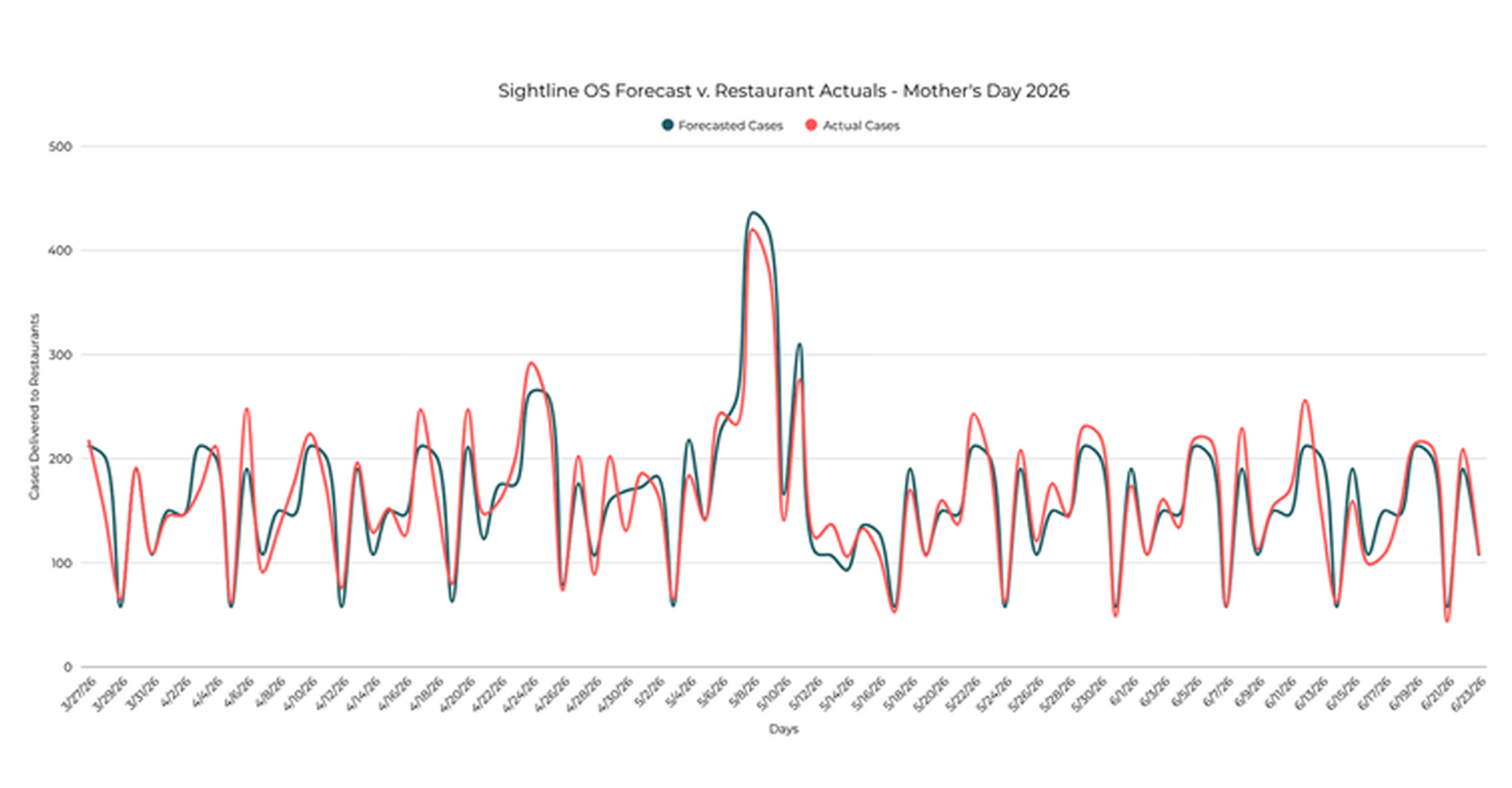
The machine learning engine recognizes demand patterns and captures daily ordering cadence, seasonality, holidays, and recent volume shifts while remaining robust to sparse and volatile data.
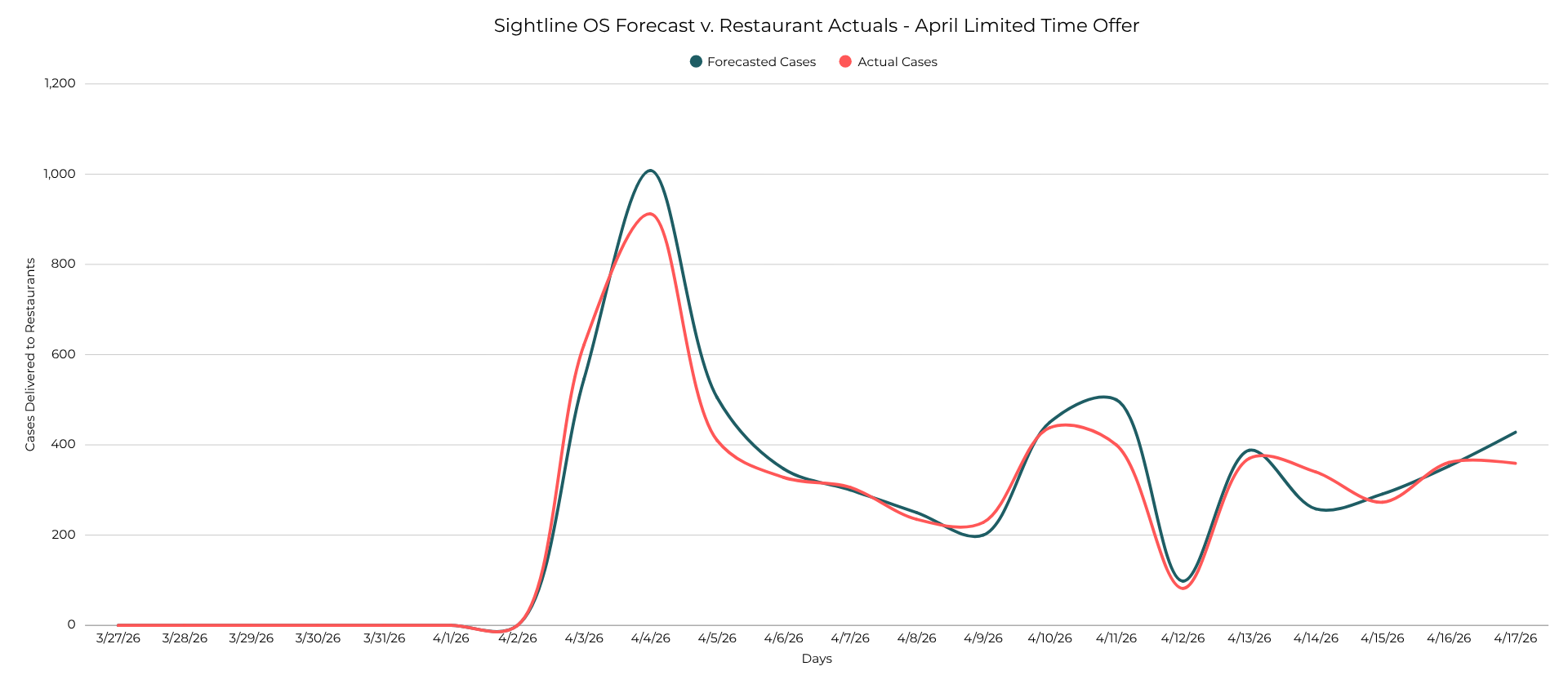
Forecasts incorporate ramp-up periods for new restaurant openings, LTOs, and marketing campaigns with your historical data, so you’re always making data-driven decisions when it comes to a new SKU.
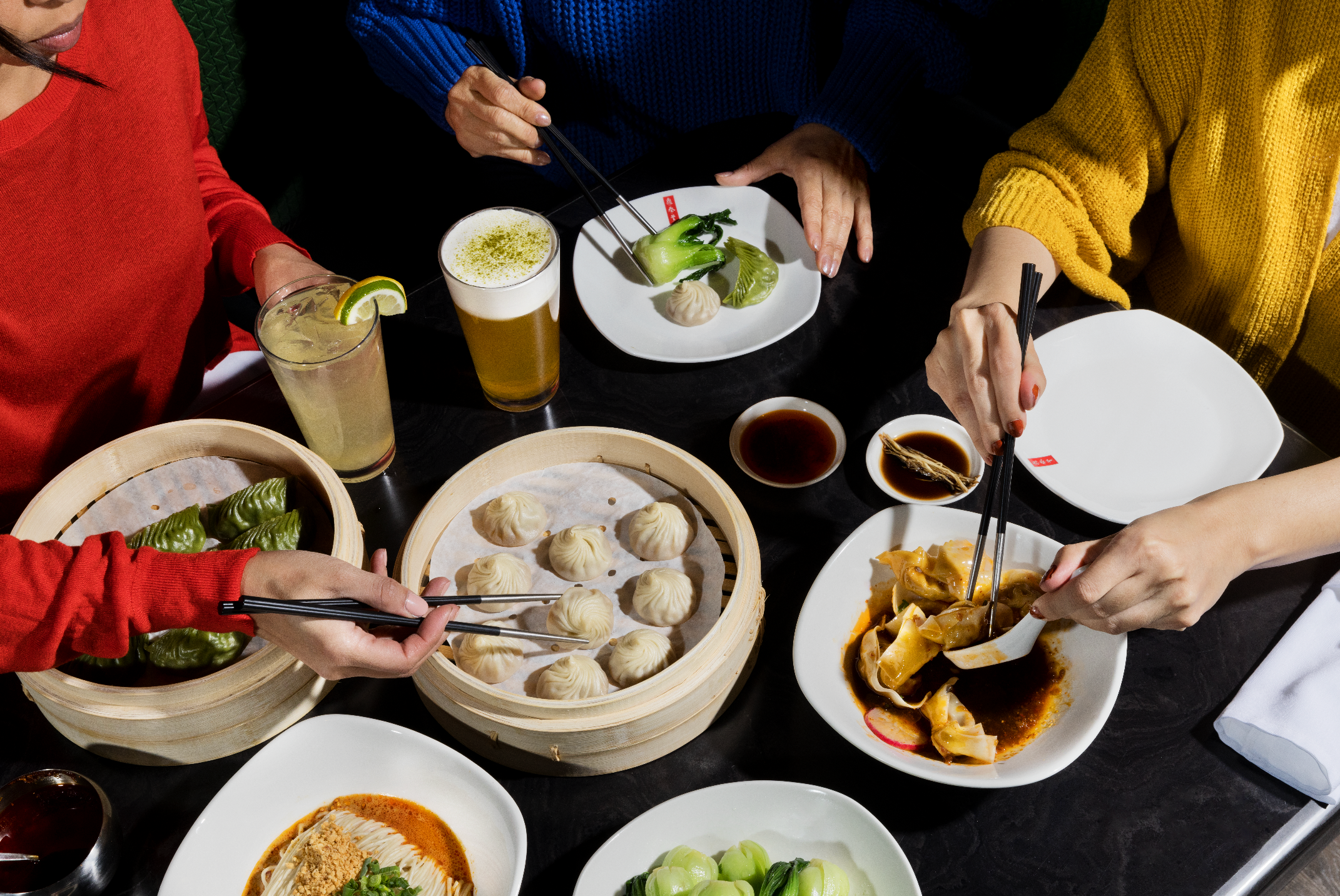
After implementing Sightline OS, Din Tai Fung saw a 14% lift in forecast accuracy
FAQs
-
Yes — though purpose-built options designed specifically for the restaurant and foodservice industry are rare. Most forecasting tools are either generic supply chain platforms that require heavy customization, or legacy restaurant systems that use basic formula-based models rather than true machine learning. Sightline OS was built specifically for this gap — delivering ML-powered demand forecasting that continuously learns from your owned historical data, adapts to seasonality and trends, and produces stable, high-accuracy forecasts without constant manual input. For restaurant and foodservice teams, that means smarter ordering decisions, fewer stockouts, and less excess inventory — all driven by models that get more accurate over time.
-
Sightline OS gives restaurant supply chain teams a smarter, more proactive way to manage inventory and demand. At the core is machine learning-powered forecasting that continuously learns from your data — adapting to seasonality, sales trends, and demand shifts automatically, without manual rule-setting or constant maintenance. That forecasting feeds directly into inventory optimization, so your team always knows what to order, when to order it, and where risks are building — up to 12 weeks in advance. The result is fewer stockouts, less waste, tighter COGS control, and a team that spends less time reacting and more time on strategic work that actually moves the business forward.
-
The best AI-driven supply chain tools for restaurants and foodservice businesses are purpose-built for the unique demands of the industry — handling high SKU counts, perishable inventory, fluctuating demand, and complex supplier networks. Sightline OS is purpose-built for exactly this, using machine learning to deliver demand forecasting, inventory optimization, and COGS management that's accurate, stable, and built for the pace of foodservice operations. Unlike generic supply chain platforms or legacy restaurant tools that bolt on AI as an afterthought, Sightline OS is AI-native from the ground up, giving supply chain teams the predictive intelligence they need to stop firefighting and start making proactive, strategic decisions.
-
The best way to see Sightline OS in action is to request a demo directly. During the demo, our team will walk you through how Sightline's forecasting, inventory optimization, and COGS management works for your specific supply chain needs — and walk you through pricing based on your business size and requirements.
-
Supply chain management software helps restaurants plan demand, manage inventory, and control costs — replacing slow, manual processes with data-driven, modern software. For restaurant chains and food service businesses, this means real time monitoring for supply continuity risk across the supply chain, more accurate production planning, and tighter control over food costs and waste. The result is a supply chain team that is proactive versus reactive, driving profitability for the business.